Genoa Walking Tour: Which Old Town Walk To Book
Genoa's old town is 113 hectares of caruggi, palaces and porticoed streets, and a guided walk is the fastest way to make sense of it. Here is what the main options cover, at what official prices, and how to choose.
Short answer
A guided walking tour of Genoa's historical centre covers the caruggi, the Cathedral of San Lorenzo, Piazza De Ferrari and the UNESCO Palazzi dei Rolli, with an AMT ticket at 2.00 EUR for 110 minutes covering transport to the start.
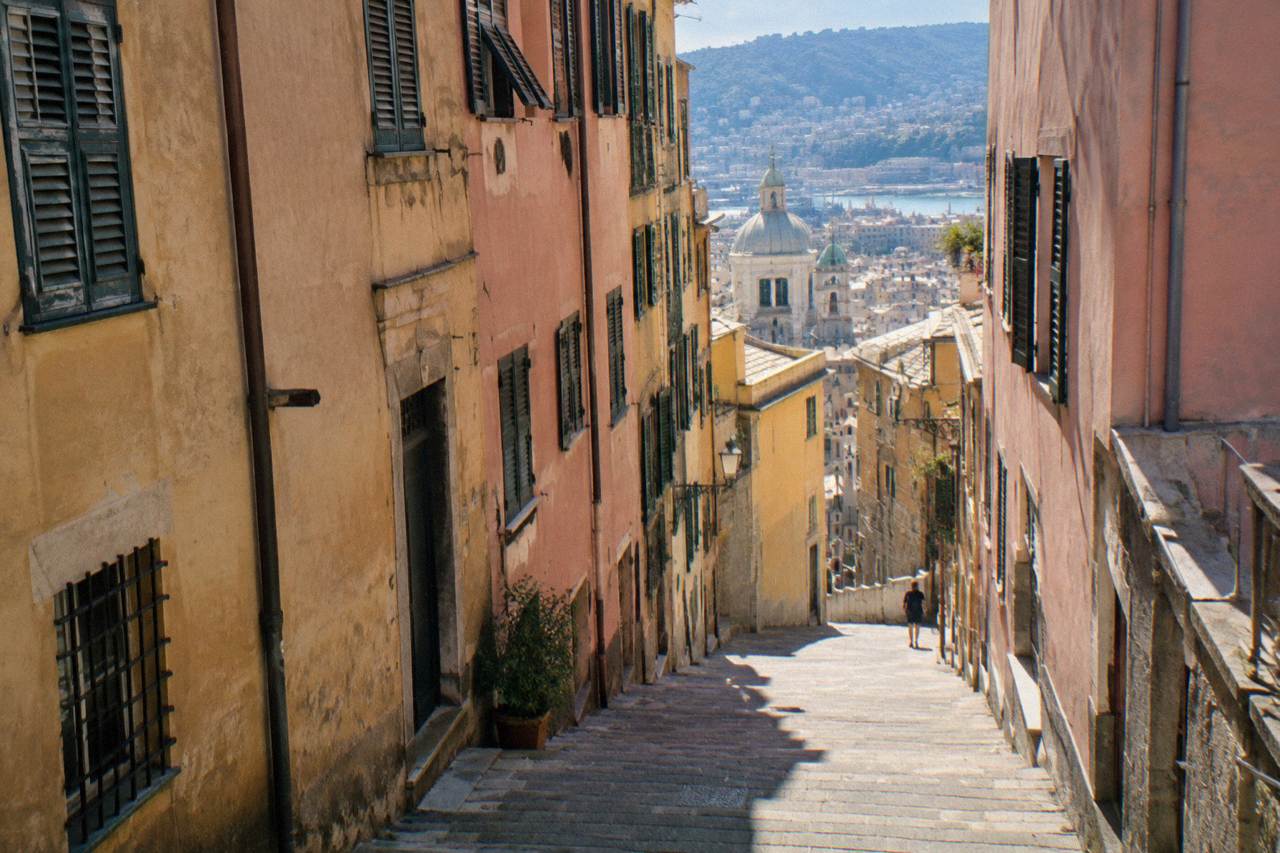
Genoa, the coastal city in Liguria on the Ligurian Sea, keeps one of the largest medieval historic centres in Europe inside 113 hectares of alleyways, palaces and squares. The caruggi, the narrow lanes that thread the old town, are the reason a walking tour earns its price here: the layout defeats casual wandering, the sights are packed close together, and the story of the Republic of Genoa, which lasted until 1797, is written into the walls. What a guided walk covers, what the independent sightseeing around it costs at official rates, and how to pick between the formats can be weighed against the transport and ticket figures that the operators and the city publish. For the wider picture of the city's sights, start with things to do across Genoa.
What Does A Genoa Walking Tour Actually Cover?
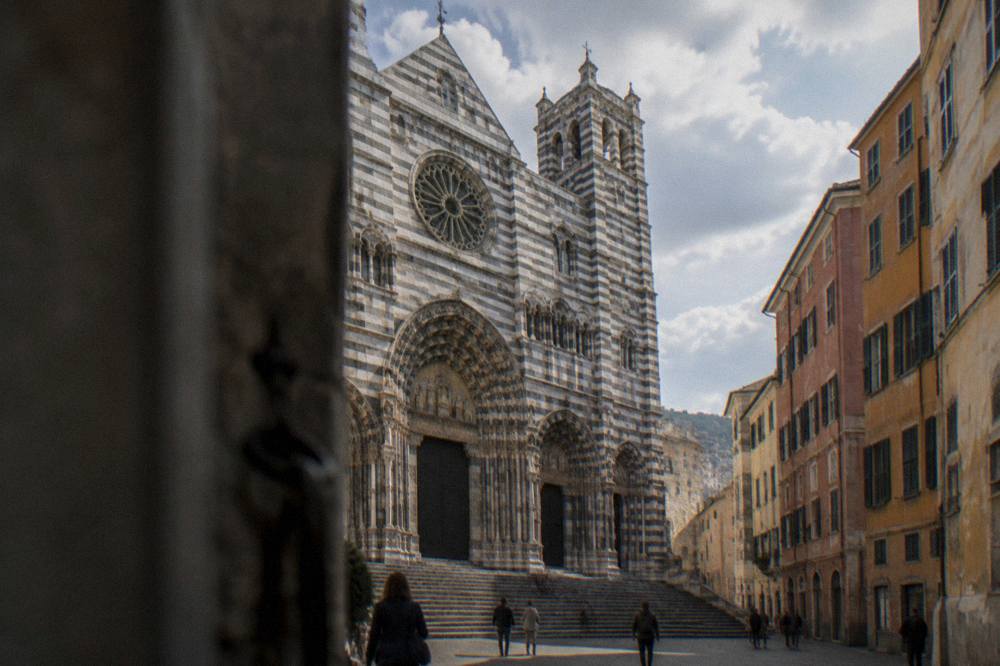
A guided walk of Genoa's historical centre covers the caruggi lane network, the Cathedral of San Lorenzo, Piazza De Ferrari and the Strade Nuove with the Palazzi dei Rolli, the 42 palaces inscribed by UNESCO in 2006 under the name Genoa: Le Strade Nuove and the system of the Palazzi dei Rolli. Walks differ mainly in depth: short loops stay in the medieval core, longer ones add the Rolli palaces, the old harbour and tasting stops.
The core of any walk is the medieval city. The old town's 113 hectares sit between the port and the hill ridge, and the caruggi are its connective tissue: lanes narrow enough that the upper storeys nearly touch. The Cathedral of San Lorenzo stands inside this zone, and its treasury museum keeps hours of Monday to Saturday 09:00 to 12:00 and 15:00 to 18:00, closed Sunday, per the city's tourism listing. Piazza De Ferrari, the fountain square, marks the seam between the medieval quarter and the city that grew around Via XX Settembre.
The second layer is the Renaissance city. The Strade Nuove, including Via Garibaldi, were laid out for Genoese aristocracy, and the Rolli lists of 1576, 1588, 1599, 1614 and 1664 ranked the palaces used for state lodging. UNESCO inscribed the system in 2006, and the autumn 2026 Rolli Days, 16 to 18 October, marked that twentieth anniversary under the theme "Abitare il cambiamento". A walk that includes Via Garibaldi and the Musei di Strada Nuova covers this layer directly; the palaces' interiors are described on the Strada Nuova museums page.
The third layer is the harbour. The Porto Antico, redeveloped by Renzo Piano for the 1992 Columbus Expo, holds the Aquarium, the Bigo panoramic lift and the Galata Museo del Mare, and several walks finish there. What the old harbour district offers is detailed on its own page, as is the Galata maritime museum, whose site lists 12,000 square metres over five levels and 31 rooms.
Which Genoa Walk Format Fits Your Trip?
Choose a short historical-centre loop if your time is a half day or a cruise stop, a longer sights-and-gems walk for a first full day, a storyteller or secrets walk for a second visit, and a Rolli-focused walk if the UNESCO palaces are the priority. Food walks suit visitors who want the market and tasting stops built in rather than added on.
The decision rests on three variables: how much of the old town you want explained, whether food stops belong inside the walk, and whether the Renaissance layer matters to you. A cruise passenger docking at Ponte dei Mille, one of the port's passenger terminals, has a different calculus from a visitor staying three nights; the port recorded 2.4 million cruise passengers across a year in its own figures. The question of walking in from the cruise port is answered on its own page, and shore excursion options are compared separately.
For the plan-building stage, the two-day itinerary on this site sequences the old town, the Strade Nuove and the harbour into a workable order, and it pairs naturally with a guided walk on the first morning: Genoa in two days.
How Much Do The Sights Along A Genoa Walk Cost?
Entry along a Genoa walking route costs 2.00 EUR for a 110-minute AMT ticket to reach the start, 14 EUR full or 9 EUR reduced for the combined Strada Nuova museums and Sant'Agostino ticket, from 26.00 EUR for a fixed-date adult Aquarium ticket, and 24 EUR for the 24-hour Genoa Museum Card covering 28 city museums, with the 48-hour card at 45 EUR.
The museums figure comes from the Strada Nuova page itself: in the winter timetable from 28 September 2026 to 18 April 2027 the three palaces, Palazzo Rosso, Palazzo Bianco and Palazzo Doria-Tursi, open daily 10:00 to 18:30, but on Mondays only Palazzo Rosso can be visited, and they close on red weather alerts. Palazzo Doria-Tursi holds Paganini's violin Il Cannone, built in Cremona in 1743 by Bartolomeo Giuseppe Guarneri.
| Item | Price | Notes |
|---|---|---|
| AMT single ticket | 2.00 EUR | 110 minutes, whole city network |
| Strada Nuova museums plus Sant'Agostino, full | 14 EUR | Combined ticket |
| Strada Nuova museums plus Sant'Agostino, reduced | 9 EUR | Combined ticket |
| Genoa Museum Card, 24 hours | 24 EUR | 28 city museums, 2026 rate |
| Genoa Museum Card, 48 hours | 45 EUR | 28 city museums, 2026 rate |
| Genoa Museum Card, annual | 60 EUR | 2026 rate |
| Aquarium fixed-date adult | from 26.00 EUR | Dynamic pricing, open 365 days |
| Aquarium child 4 to 12 | from 16.00 EUR | Under 4 free |
The Museum Card covers 19 municipal museums plus 9 others. Only the card variants marked "+bus" include AMT transport, and none of them covers Volabus, the Navebus boat or trains; that boundary is stated on the museums' own conditions page. The card is examined in full on the site's museum card guide.
The Aquarium, opened in 1992, is open 365 days a year with dynamic pricing: adult fixed-date tickets from 26.00 EUR, reduced from 20.00 EUR, children aged 4 to 12 from 16.00 EUR, and under-4s free, all per the Aquarium's own ticket page. The combined Aquarium, Biosfera and Bigo ticket starts from 37.00 EUR for an adult. Booking that entry through the site's Aquarium ticket page or reading the attraction guide both work; the Aquarium of Genoa page carries the full breakdown.
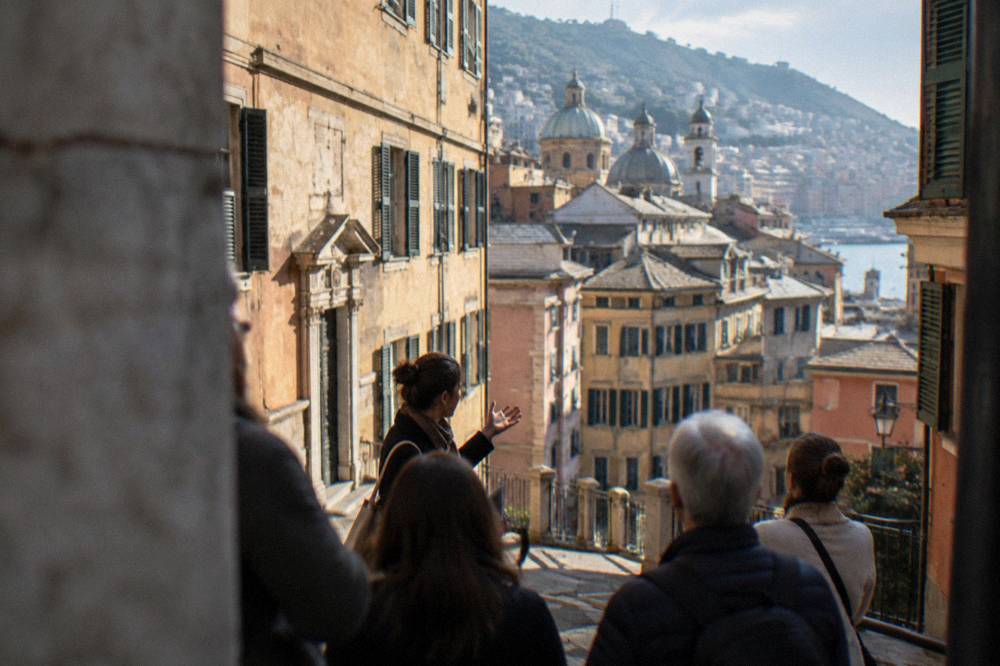
The guided walk of the historical centre that this site features covers the medieval core in a compact loop, and the operator's listing carries the current price and calendar: Check availability.
How Do You Get To The Start Of The Walk?
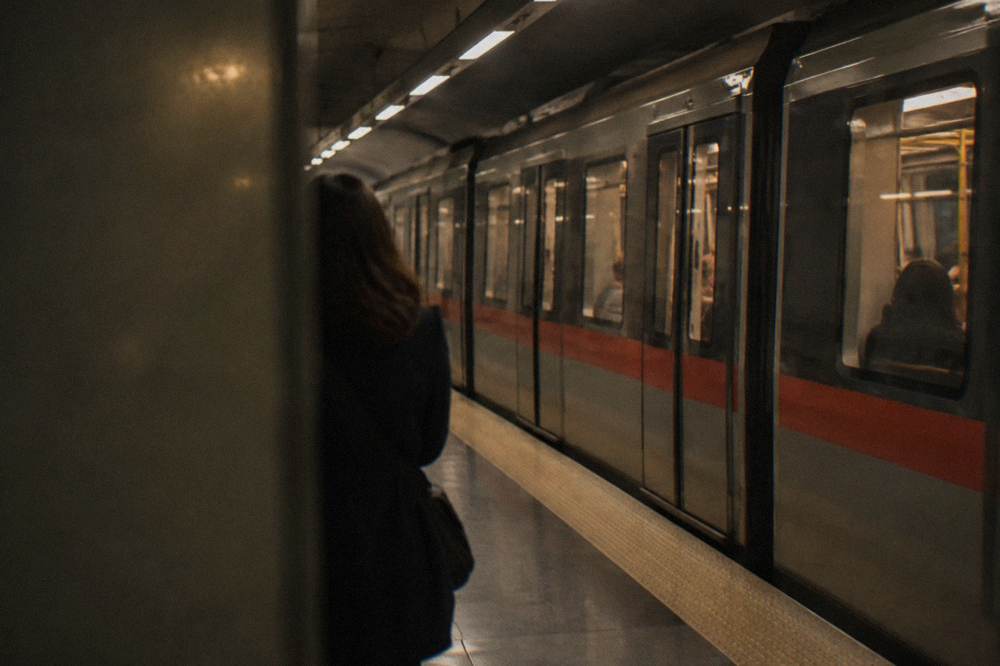
The AMT network gets you to the old town for 2.00 EUR on a single ticket valid 110 minutes, the metro runs 7 km from Brin to Brignole through eight stations including De Ferrari and Principe, and the Zecca-Righi funicular and the Castelletto Levante lift both run daily 06:40 to 24:00 with a 1.20 EUR single ride for lifts and the Sant'Anna funicular.
The metro's eight stations are Brin, Dinegro, Principe, Darsena, San Giorgio, Sant'Agostino, De Ferrari and Brignole. De Ferrari and San Giorgio sit at the two ends of the walkable core. The extension to Canepari is reported as targeted forJune 2027 and the Martinez extension for December 2028, so neither is an option now.
| AMT ticket | Price | Validity |
|---|---|---|
| Single ordinary | 2.00 EUR | 110 minutes, whole network |
| AMT plus Trenitalia integrated | 2.20 EUR | 110 minutes |
| 5-hour ticket | 5.00 EUR | 5 hours |
| Carnet of 11 singles | 20.00 EUR | 11 x 110 minutes |
| Met Daily | 10.00 EUR | 24 hours, full network |
| Lift or Sant'Anna funicular ride | 1.20 EUR | Single ride |
The Met Daily is also the ticket Volabus requires: the airport bus to Principe, De Ferrari and Brignole has no single fare of its own, and the Met Daily at 10.00 EUR covers the whole network including the airport run, taking about 30 minutes from Genova Cristoforo Colombo airport. A taxi from the airport to the centre is a fixed 25 EUR per car, 30 EUR for more than four people, plus 2 EUR at night and on holidays. The full transport picture, including the lifts, is on Genoa public transport and Genoa lifts and funiculars.
What Should A Self-Guided Genoa Walking Route Include?
A self-guided Genoa walking route can link Genova Piazza Principe, the Lanterna viewpoint side of the port, Via Balbi into the caruggi, the Cathedral of San Lorenzo, Piazza De Ferrari, Via Garibaldi's Palazzi dei Rolli and the Porto Antico, using the 2.00 EUR AMT ticket or the 1.20 EUR lift ride to reach Spianata Castelletto for the panorama.
Start from Genova Piazza Principe, one of the city's two main stations. The Lanterna lighthouse, built in 1128 and rebuilt in 1543, stands 77 metres on a 40-metre rock, 117 metres above the sea, and is billed as the tallest lighthouse in the Mediterranean; visitors should check the official site before a visit. Its dedicated page on this site covers the Lanterna lighthouse.
From the station the route enters the caruggi, described street by street on the old town caruggi page. The Cathedral of San Lorenzo and Piazza De Ferrari anchor the middle of the loop, with Palazzo Ducale nearby; the ducal palace is running World Press Photo 2026 to 8 December 2026 and the Renoir, Monet, Toulouse-Lautrec and Cézanne exhibition from 15 October 2026, so exhibition visitors should check the palace's own page for show hours. The Palazzo Ducale and cathedral pages carry those details.
The panorama detour is the Castelletto Levante lift, 57 metres of rise from Piazza Portello to the Spianata Castelletto, daily 06:40 to 24:00 at 1.20 EUR a ride. The view terrace has its own page: Spianata Castelletto. Other pages covering the same trip are gathered on Genoa Travel Guide.
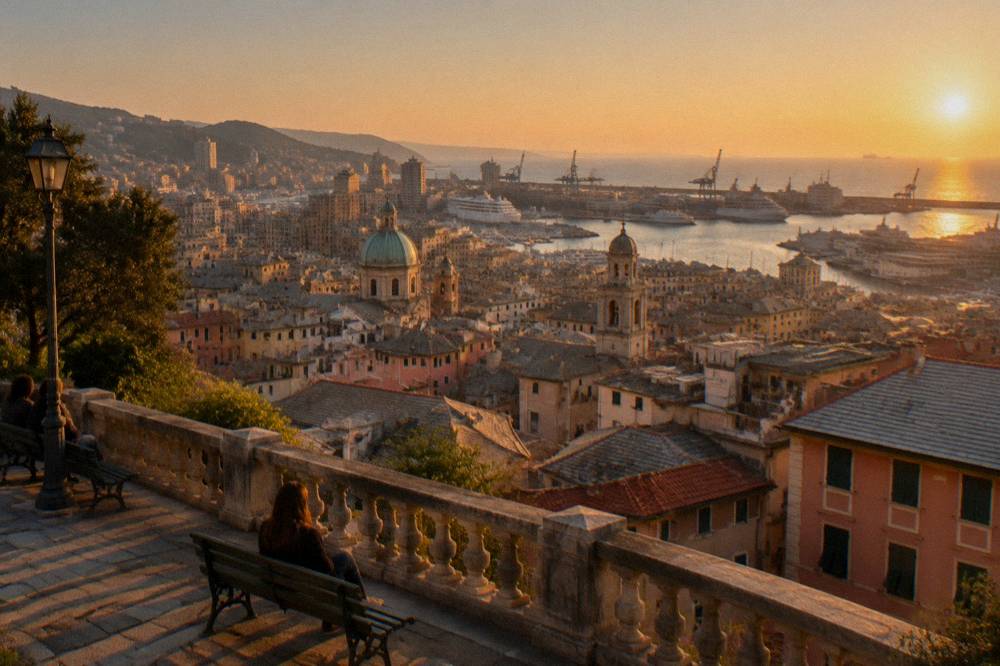
When Is The Best Weather For A Genoa Walking Tour?
The official 1971-2000 climate normals for Genoa Sestri show mean daily highs of 27.7 C in August against 11.5 C in January, with July rainfall at 24.2 mm and October rainfall at 171.3 mm, so the shoulder months pair mild temperatures with moderate rainfall and rain in October is worth planning around.
The table below is the Aeronautica Militare CLINO 1971-2000 series for the Genoa Sestri station, the official record this site uses for temperature and rain. Read the autumn column carefully: September carries 136.4 mm and October 171.3 mm, together more than a third of the annual 1079.2 mm total.
| Month | Mean high C | Mean low C | Rain mm |
|---|---|---|---|
| January | 11.5 | 5.5 | 101.8 |
| March | 14.6 | 8.2 | 81.7 |
| May | 20.5 | 14.2 | 72.4 |
| July | 27.3 | 20.9 | 24.2 |
| September | 24.4 | 17.9 | 136.4 |
| October | 20.0 | 13.8 | 171.3 |
Rain in Genoa is a scheduling question more than a cancellation one, and the museums along a walking route are the fallback. The site's Genoa in the rain page sequences the covered options, including the Strada Nuova palaces and the Galata Museo del Mare, open 10:00 to 19:00. One operational note matters: the Strada Nuova museums close on red weather alerts, so an alert day removes that fallback, and the Genoa weather page explains the alert system.
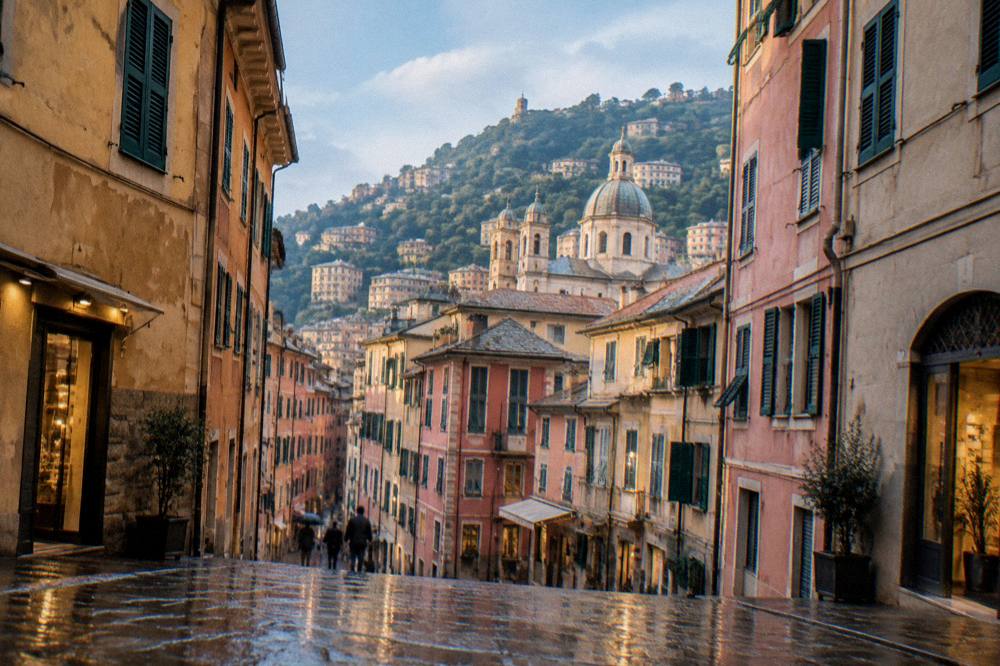
Can You Combine A Genoa Walk With Portofino Or The Cinque Terre?
Portofino sits about 25 km from Piazza De Ferrari in a straight line, Camogli about 18 km, San Fruttuoso about 22 km and the Cinque Terre about 67 km, and the practical combinations are a morning walk in the old town followed by an afternoon boat, or a separate day-trip day, with the Golfo Paradiso Two Gulfs tour running from Genoa Porto Antico on listed dates from March 2026.
The Two Gulfs tour departs Porto Antico at 11:00 and Camogli at 11:45, with about 30 minutes each for the Camogli to San Fruttuoso and San Fruttuoso to Portofino legs, per the operator's route page; fares for the full day are about 29 EUR and half-day about 21 to 26 EUR. Camogli to San Fruttuoso boats run year round. The San Fruttuoso abbey, run by FAI, charges 10 EUR full, 5 EUR for ages 6 to 18 and students to 25, under-5s free, with a 26.00 EUR family ticket.
For the Cinque Terre, the Treno Card runs 22.00 EUR for a one-day adult card at the lowest date band up to 35.00 EUR at the highest, with two-day cards from 36.50 to 61.00 EUR and three-day from 49.00 to 81.00 EUR. The Via dell'Amore is included in the card with a booked time slot, open 09:00 to 21:00 from 29 March to 24 October 2026. Those figures and the train options are broken down on Genoa to the Cinque Terre, and the site also compares Cinque Terre tours from Genoa and Portofino boat tours from Genoa.
| Destination | Straight-line distance from Piazza De Ferrari |
|---|---|
| Boccadasse | about 4 km |
| Nervi | about 9 km |
| Genova Cristoforo Colombo airport | about 7 km |
| Camogli | about 18 km |
| San Fruttuoso | about 22 km |
| Santa Margherita Ligure | about 24 km |
| Portofino | about 25 km |
| Cinque Terre | about 67 km |
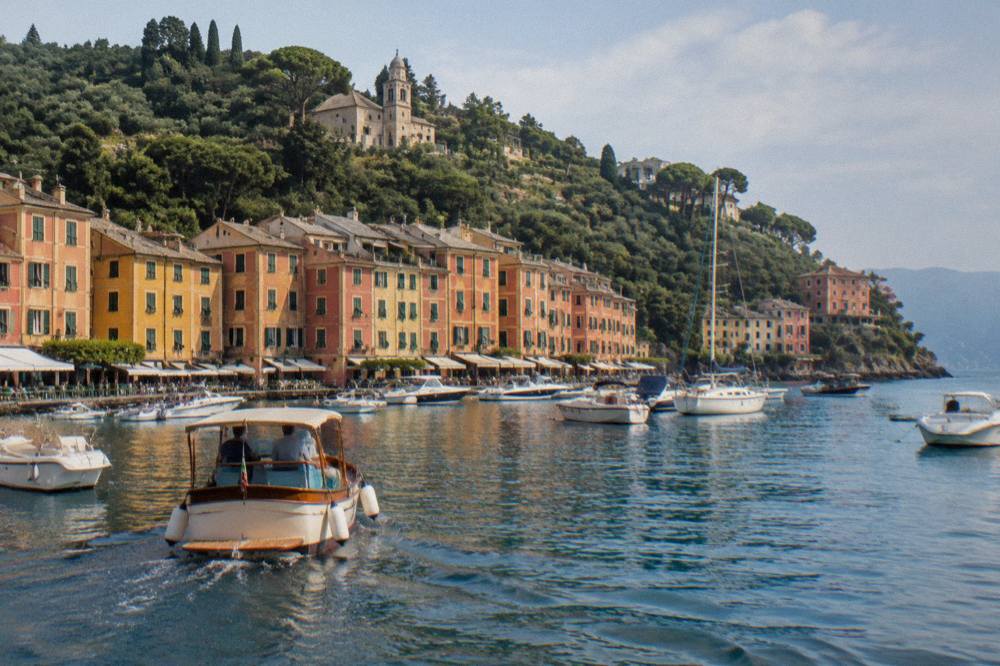
What About A Food Walk Instead Of A Sights Walk?
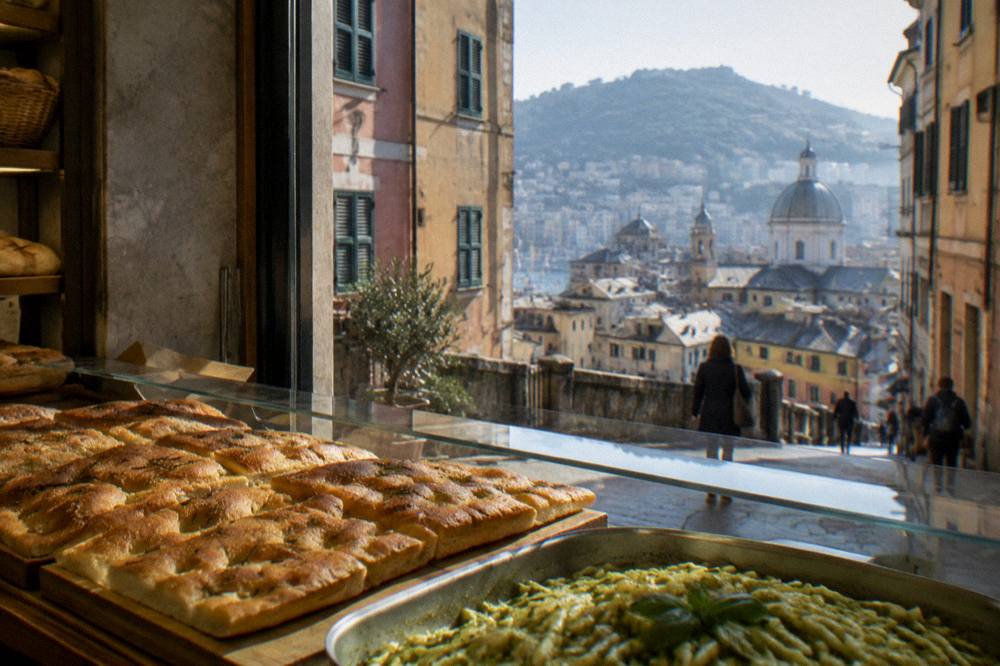
A food walk in Genoa pairs the old town lanes with tasting stops built around pesto genovese, which by its specification uses Basilico Genovese PDO basil, focaccia, farinata and trofie, and it suits a first visit as much as a sights walk because the caruggi are the venue either way.
The distinction is thinner than it looks. Both formats move through the same medieval grid; the food version stops more and explains less architecture. The site's Genoa food tour page compares the tasting formats, and the background on the dishes themselves sits on what to eat in Genoa, with the pesto genovese and focaccia pages carrying the specifics. Focaccia di Recco, a different bake, has held IGP status since 2015 and is produced only in Recco, Camogli, Sori and Avegno, towns all within day-trip range.
The practical pairing that works is a food walk in the evening and a sights walk in the morning, or one food walk combined with independent time at the Aquarium and the Strada Nuova palaces. Visitors with a free evening can extend into the port district: the Genoa nightlife page covers it.
What Should You Book Before Arriving In Genoa?
Book the walking tour itself, the Aquarium ticket if it is on the list, and nothing else in advance: the AMT network, the lifts, the Museum Card and the combined Strada Nuova ticket are all bought on the day, while the Aquarium's dynamic pricing rewards an early fixed-date purchase and the rolli-based walks fill their group sizes.
The Aquarium's own ticket page states the dynamic pricing openly: the from-prices move with the date. The guided walks on this site's roster carry their own cancellation terms on the operator's live listing. Lodging needs only one forward figure: the city's tourist tax, set by the comune of Genoa's own page, runs 2.00 EUR per person per night at 1-star properties, 2.50 EUR at 2-star, 4.00 EUR at B&Bs and 2.00 EUR at hostels and campsites, charged on the first 8 consecutive nights, with under-14s exempt.
For orientation on the ground, the tourist office at Via Garibaldi 12r opens daily 09:00 to 18:20, and the Porto Antico office at Ponte Spinola daily 10:00 to 17:00. The Genoa map page and the free walking options page round out the planning set.
Common Questions About Genoa Walking Tours
Is Genoa good for a walking tour?
Yes. The historical centre is 113 hectares of one of the largest medieval historic centres in Europe, the main sights from the caruggi to the UNESCO Palazzi dei Rolli sit within a compact loop, and the official 1971-2000 climate normals for Genoa Sestri show mean highs above 11 C even in January.
How long does a Genoa walking tour last?
Formats on this site's roster range from short historical-centre loops to longer walks covering sights and hidden gems. The length that fits depends on whether you add the Strada Nuova palaces or the Porto Antico to the medieval core.
What does a Genoa walking tour cost?
Around the walk, budget 2.00 EUR for an AMT single ticket, 14 EUR full for the combined Strada Nuova museums and Sant'Agostino ticket, and from 26.00 EUR for a fixed-date adult Aquarium ticket per the Aquarium's own ticket page.
Do you need a guide for the Genoa old town?
The caruggi are navigable without one, and the self-guided route on this page links the cathedral, Piazza De Ferrari, Via Garibaldi and the Porto Antico. A guide adds the Republic's history, which lasted until 1797, and the Rolli system, whose lists of 1576, 1588, 1599, 1614 and 1664 explain the palace facades.
Can you do a Genoa walking tour from a cruise ship?
Yes. The cruise terminals sit at Ponte dei Mille and Andrea Doria, and the walk from the port into the old town is covered on the site's cruise-port page. The port's own figures list 2.4 million cruise passengers in a year, and a short historical-centre loop is the format that fits a port day.
Is a Genoa food walk better than a sights walk?
Neither is better; they overlap. Both move through the same medieval grid, and the food version builds tasting stops around pesto genovese, made with Basilico Genovese PDO basil, focaccia and farinata. A first-time visitor with one full day can do a sights walk in the morning and eat independently, or take a food walk and let the route carry both.