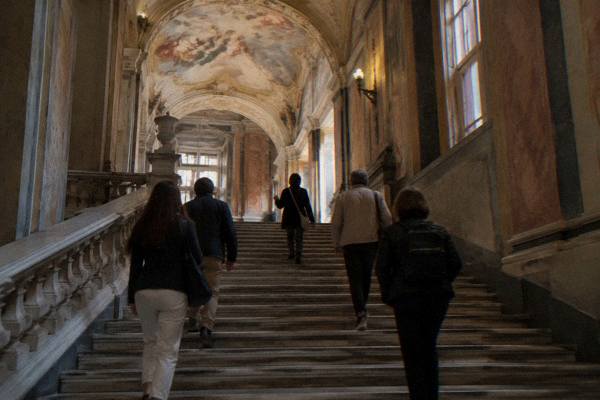
Palazzi Dei Rolli: The UNESCO Palaces Of The Strade Nuove
The Palazzi dei Rolli are the palaces Genoa's aristocracy built along the Strade Nuove and registered on public lists between 1576 and 1664. UNESCO inscribed the system in 2006, and 42 of the palaces sit inside the World Heritage property today.
Short answer
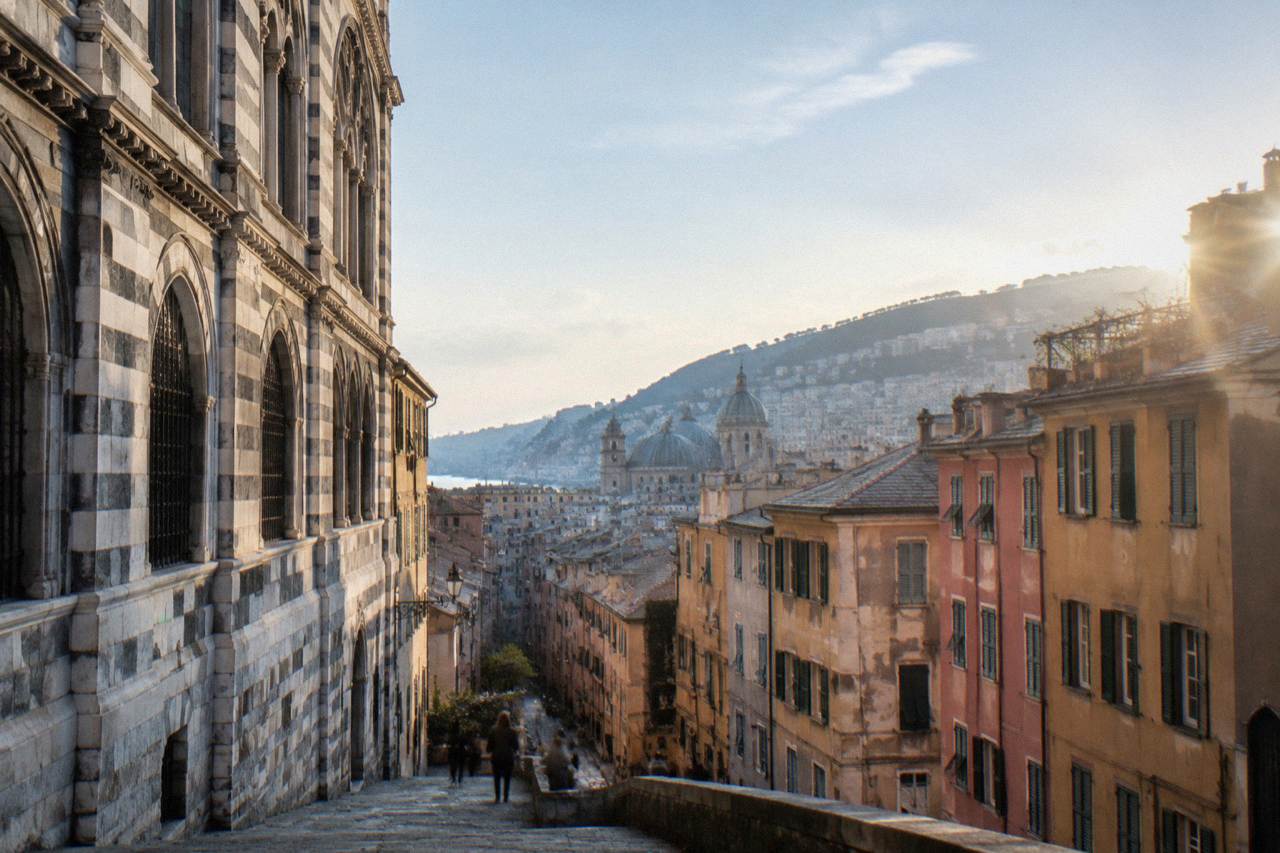
The Palazzi dei Rolli are a system of aristocratic palaces in Genoa, listed between 1576 and 1664 to host state visits, strung along the Strade Nuove. UNESCO inscribed 42 of them in 2006 as "Genoa: Le Strade Nuove and the system of the Palazzi dei Rolli".
The Palazzi dei Rolli are the palace system at the heart of Genoa's one World Heritage property, a coastal city in Liguria, north-west Italy, squeezed between the Ligurian Sea and the Apennine hills. UNESCO inscribed the site in 2006 under the exact name "Genoa: Le Strade Nuove and the system of the Palazzi dei Rolli", and the inscribed area contains the 42 palaces that appeared on the Rolli lists. Those lists, drawn up in 1576, 1588, 1599, 1614 and 1664, set which palace would host a visiting dignitary and at what level of state ceremony. The result is a street architecture found nowhere else in the same form: a ridge of grand residences rising behind the port, several of them now museums you can walk into for the price of a combined ticket. The full picture takes in what the lists were, what UNESCO actually protects, which palaces open to the public, what tickets and cards cost in 2026, and how the biannual Rolli Days work.
What Are The Palazzi Dei Rolli In Genoa?
The Palazzi dei Rolli are a system of aristocratic palaces in Genoa, registered on public lists between 1576 and 1664 so that the republic could assign state visits to private residences by rank. UNESCO inscribed 42 of them in 2006 as part of "Genoa: Le Strade Nuove and the system of the Palazzi dei Rolli", and several now work as public museums along the Strade Nuove.
The word "rolli" refers to the lists themselves. The Republic of Genoa, an aristocratic republic that lasted until 1797, did not build a royal palace to receive ambassadors and princely guests. Instead it compiled rolls of private palaces, graded by category, and when a state visit was expected the senate drew a name from the appropriate category. A cardinal of high rank went to a first-category palace, a lesser envoy to a lower one. The lists were revised five times in the years 1576, 1588, 1599, 1614 and 1664, which is why the number of palaces and their grading shifted across the decades.
The palaces themselves rose along the Strade Nuove, the "new streets" laid out north of the crowded medieval town. Strada Nuova is the name of the original street, now Via Garibaldi, and the later extensions followed the same idea: straight, wide, deliberately theatrical routes that showed off what Genoa's banking families could build. The old town below, 113 hectares and one of the largest medieval historic centres in Europe, is the counterweight to all this: the caruggi, the narrow lanes the palaces were designed to escape. For the shape of that older city, the old town caruggi guide on this site covers the lanes and the squares in detail.
What makes the system unusual is that it was public, formal and revisable. A family's palace appearing on a roll was a statement of standing, recorded by the state rather than claimed by gossip. UNESCO's decision to inscribe the whole system, not a set of individual buildings, reflects that: the heritage value lies in the relationship between the lists, the streets and the palaces.
Why Were The Rolli Lists Drawn Up In 1576?
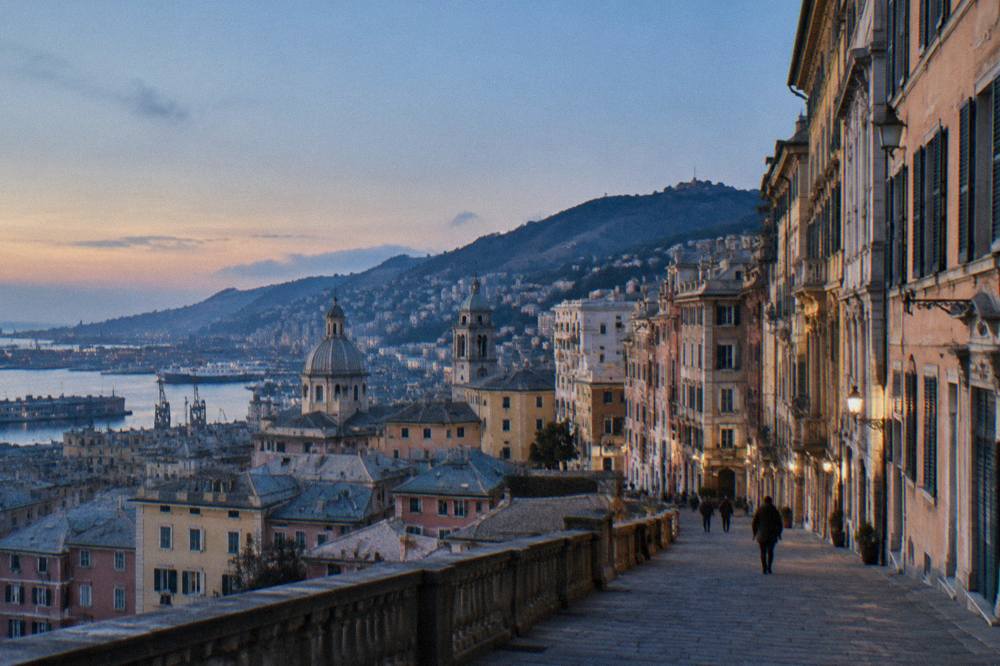
The first Rolli list was drawn up in 1576 so the Republic of Genoa could allocate official state hospitality among private palaces by the rank of the guest, and four further lists followed in 1588, 1599, 1614 and 1664. The rolls graded palaces into categories, matching the dignity of a visiting dignitary to the grandeur of the residence that would host them.
Genoa at the time of the first roll was one of Europe's financial powers, and the stream of ambassadors, princes and churchmen passing through the port needed lodging that reflected their standing. A republic run by its aristocracy solved this with a rota. Each revision of the lists recorded which families could receive guests and at which level, so the allocation could be made quickly and without the diplomatic offence of an undervalued host.
| Rolli list | Year | What it recorded |
|---|---|---|
| First list | 1576 | The original roll of palaces eligible to host state visits |
| Second list | 1588 | Revised roll with updated palace categories |
| Third list | 1599 | Further revision as new palaces were completed |
| Fourth list | 1614 | Roll reflecting the mature Strade Nuove building boom |
| Fifth list | 1664 | The final revision of the system |
The dates matter for what you see on the ground. The palaces of the 1576 roll belonged to an earlier generation of buildings; by 1664 the Strade Nuove were largely complete and the system had settled. UNESCO's inscription, in 2006, came long after the system matured, and the autumn 2026 Rolli Days carried the theme "Abitare il cambiamento" to mark twenty years since the inscription.
What Does The UNESCO Inscription Actually Cover In Genoa?
UNESCO's World Heritage property is named "Genoa: Le Strade Nuove and the system of the Palazzi dei Rolli", inscribed in 2006, and the inscribed area contains the 42 palaces that were on the Rolli lists. The inscription protects the street system together with the palaces, not a single building, which is why Via Garibaldi and its sister streets read as one designed composition.
The Strade Nuove are the spine: Strada Nuova itself, now Via Garibaldi, plus the parallel and later streets that carried the idea outward. The palaces on the lists cluster along them, and the inscribed property holds 42 of those buildings. Walking Via Garibaldi today you pass museum palaces, banks, offices and institutional buildings side by side, because the palaces have kept working lives across the centuries.
The three palaces that now form the Musei di Strada Nuova, Palazzo Rosso, Palazzo Bianco and Palazzo Doria-Tursi, are the easiest way into the system, and each sits on the street UNESCO protects. Their story is covered in the dedicated Via Garibaldi and Musei di Strada Nuova guide, including what each palace shows and how the combined ticket works. Beyond Via Garibaldi, the system reaches palaces on the surrounding streets of the same quarter, the area described in the Principe and Via Balbi district guide.
Which Rolli Palaces Can You Visit In Genoa?
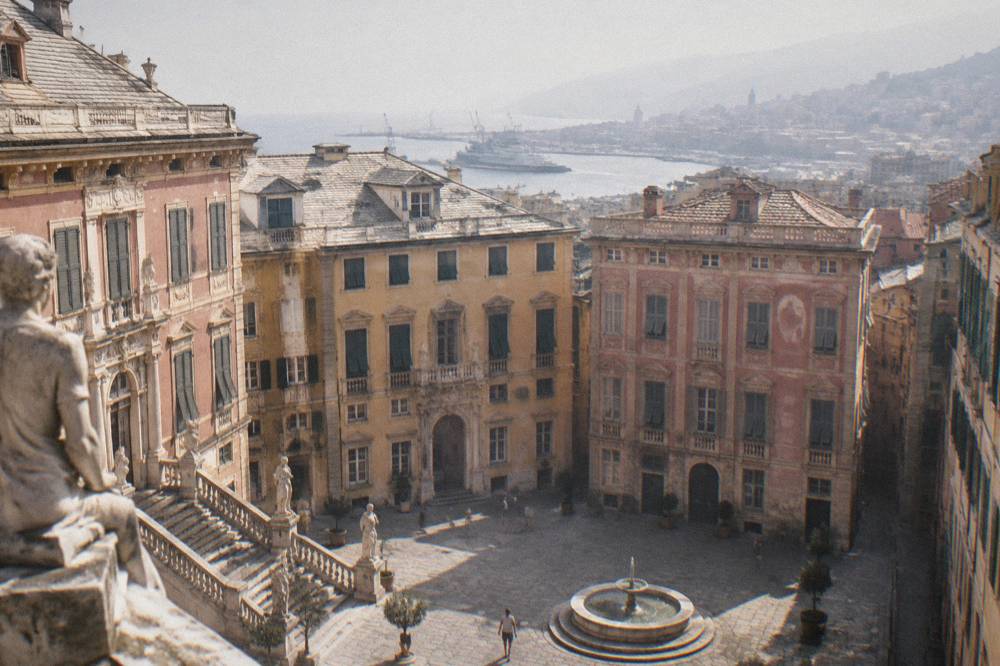
The most visitable Palazzi dei Rolli in Genoa are the three that form the Musei di Strada Nuova: Palazzo Rosso, Palazzo Bianco and Palazzo Doria-Tursi on Via Garibaldi, open daily 10:00 to 18:30 under the winter timetable running 28 September 2026 to 18 April 2027, with the caveat that on Mondays only Palazzo Rosso can be visited. A guided tour of four UNESCO-listed Rolli palaces is also bookable.
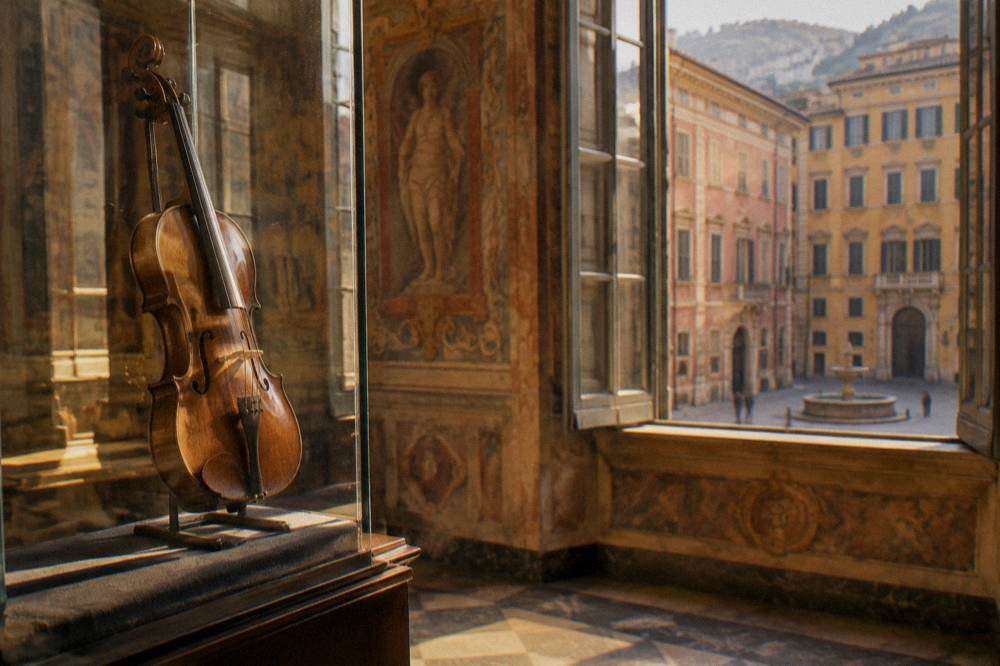
The three museum palaces carry different weight. Palazzo Rosso and Palazzo Bianco hold the art collections; Palazzo Doria-Tursi, the city's own seat of the Musei di Strada Nuova, keeps one object that draws visitors on its own: Paganini's violin "Il Cannone", built in Cremona in 1743 by Bartolomeo Giuseppe Guarneri. The violin sits in the Paganini rooms of the palace, and its presence there is one of the odder pairings in Italian museums, a Guarneri instrument housed in a Rolli palace on a World Heritage street.
Other palaces on the lists open on limited occasions rather than daily, and the big opening event is Rolli Days, treated further down this page. In between editions, the walk along Via Garibaldi itself is free and unfenced: the facades, the portals and the courtyards that happen to be open are visible from the public street. The Genoa in one day itinerary slots the street into a full day that also takes in the Cathedral of San Lorenzo and the Porto Antico, both a short walk downhill.
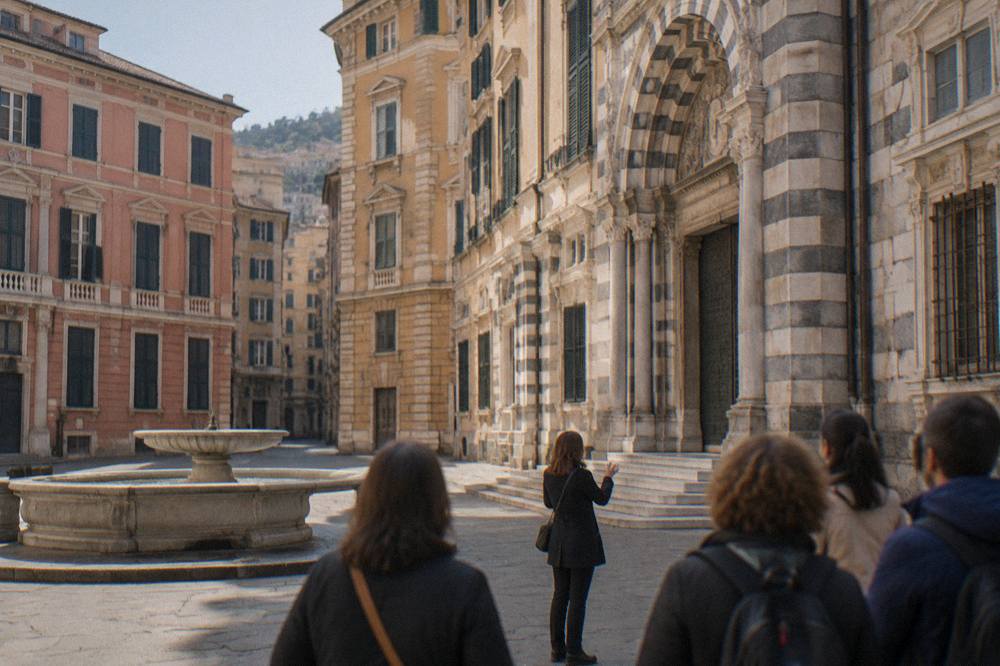
For visitors who want the system explained rather than just seen, a guided walk solves the main problem of the street, which is that the facades do not label themselves. The related tour on this page, a guided tour of four UNESCO-listed Rolli palaces, moves through the system with a guide and can be checked for current dates and pricing at Check availability.
Want the palaces decoded as you walk? Book a self-guided audio tour here.
What Do The Strada Nuova Museums Cost And When Are They Open?
Under the winter timetable from 28 September 2026 to 18 April 2027 the Musei di Strada Nuova open daily 10:00 to 18:30, with the single exception that on Mondays only Palazzo Rosso can be visited, and the museums close entirely on a RED weather alert. The combined ticket for the three palaces together with the Museo di Sant'Agostino costs 14 EUR full price and 9 EUR reduced.
That combined ticket is the one to buy for a full visit, because it pairs the Strada Nuova palaces with the Museo di Sant'Agostino in the old town. The museums also sit inside the Genoa Museum Card network, covered in the next section, which changes the arithmetic for anyone visiting several museums in 24 or 48 hours.
| Ticket | Price | What it covers |
|---|---|---|
| Combined ticket, full | 14 EUR | The three Strada Nuova palaces plus the Museo di Sant'Agostino |
| Combined ticket, reduced | 9 EUR | The same itinerary at the reduced rate |
| Genoa Museum Card, 24 hours | 24 EUR | 28 city museums, 19 municipal plus 9 others, for 24 hours |
| Genoa Museum Card, 48 hours | 45 EUR | The same 28 museums for 48 hours |
The Monday rule is the detail that catches people out. Under the winter timetable the museums are not closed on Mondays, but only Palazzo Rosso can be visited that day, so a Monday visitor sees one palace rather than three. The RED-alert closure is a Genoa-wide protocol: when the regional weather alert reaches the red level, the municipal museums shut. On a wet day the alternative plan is in the Genoa in the rain guide, which routes the day toward indoor stops such as the Aquarium of Genoa and the Galata Museo del Mare.
Is The Genova Museum Card Worth It For The Rolli Palaces?
The Genoa Museum Card costs 24 EUR for 24 hours and 45 EUR for 48 hours at the 2026 rates, and it covers 28 city museums, 19 municipal plus 9 others, which includes the Musei di Strada Nuova and Palazzo Reale. It beats the combined ticket once your museum count in the window rises past two or three, and it exists in an annual version at 60 EUR.
The card's maths is simple against the 14 EUR combined ticket. One palace itinerary plus, say, the Museo di Sant'Agostino counted separately, or the same itinerary plus a second paid museum elsewhere in the city, and the 24-hour card pays for itself. Two days of museum-going makes the 48-hour version the natural choice. Residents pay 50 EUR for the annual card and students 25 EUR.
| Genoa Museum Card 2026 | Price | Validity |
|---|---|---|
| 24-hour | 24 EUR | 24 hours, 28 museums |
| 48-hour | 45 EUR | 48 hours, 28 museums |
| Annual | 60 EUR | Full year, 28 museums |
| Annual, residents | 50 EUR | Full year, residents of Genoa |
| Annual, students | 25 EUR | Full year, students |
One boundary of the card is worth knowing before you build a day around it: transport is a separate purchase. An AMT ticket is 2.00 EUR and is valid 110 minutes on the whole urban network, and the airport bus, the Volabus, requires the 10.00 EUR Met Daily ticket. The Musei di Strada Nuova sit within an easy walk of Genova Piazza Principe station, so a museum-card day built around the Strade Nuove does not need a transit pass at all. The full picture, including the lifts and funiculars, is in the Genoa public transport guide.
What Are Rolli Days In Genoa?
Rolli Days are the weekends when Genoa opens Rolli palaces that are normally private or institutional, with free entry to the palaces and booking required at most of them, and guided tours available for a fee. The autumn 2026 edition ran Friday 16 to Sunday 18 October 2026 under the theme "Abitare il cambiamento", marking twenty years since the 2006 UNESCO inscription.
The format restores, for three days, something close to the original function of the lists: palaces receiving the public. Buildings that belong to banks, institutions and private owners open their courtyards and piano nobile rooms, and the city publishes a map and booking system for the itinerary. Bookings for the autumn 2026 edition opened on Tuesday 6 October at 09:00, and the demand for slots in the most famous palaces means the booking window matters more than the weekend itself.
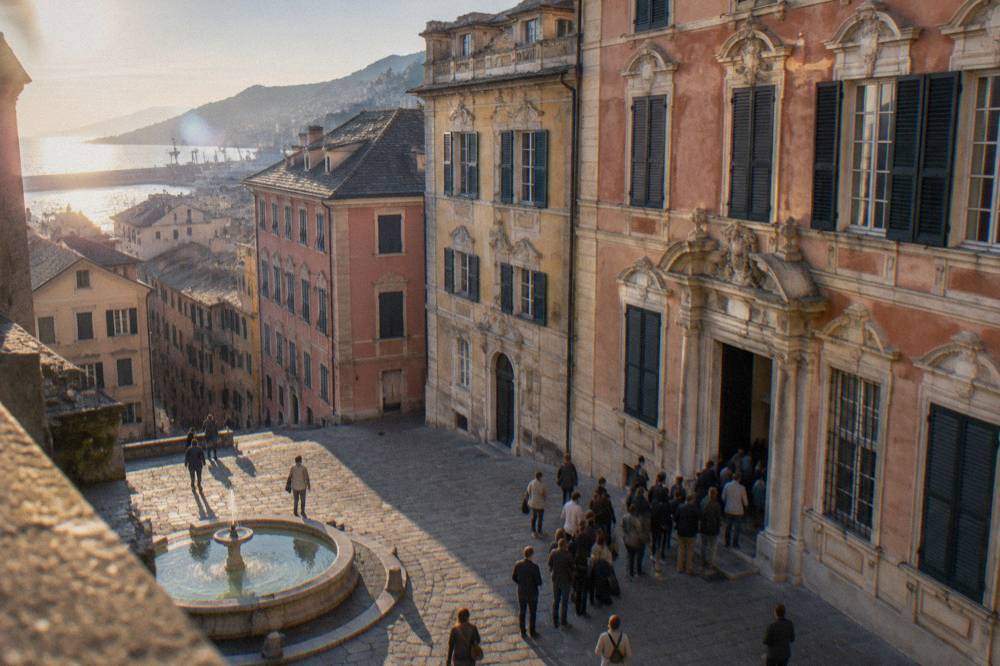
Two editions have been running per year, one in spring and one in autumn: the spring 2026 edition fell in late March. Dates for 2027 had not been announced when this page was prepared, so the route to reliable 2027 dates is the city's own tourism channels rather than any published calendar. Outside Rolli Days, the standing offer is the three museum palaces, described above, plus whatever special exhibitions land in the other great buildings of the quarter, such as the shows at Palazzo Ducale, which in late 2026 is running the World Press Photo exhibition to 8 December 2026 and the Renoir and Monet exhibition opened 15 October 2026.
How Do The Palazzi Dei Rolli Fit Into A Genoa Day?
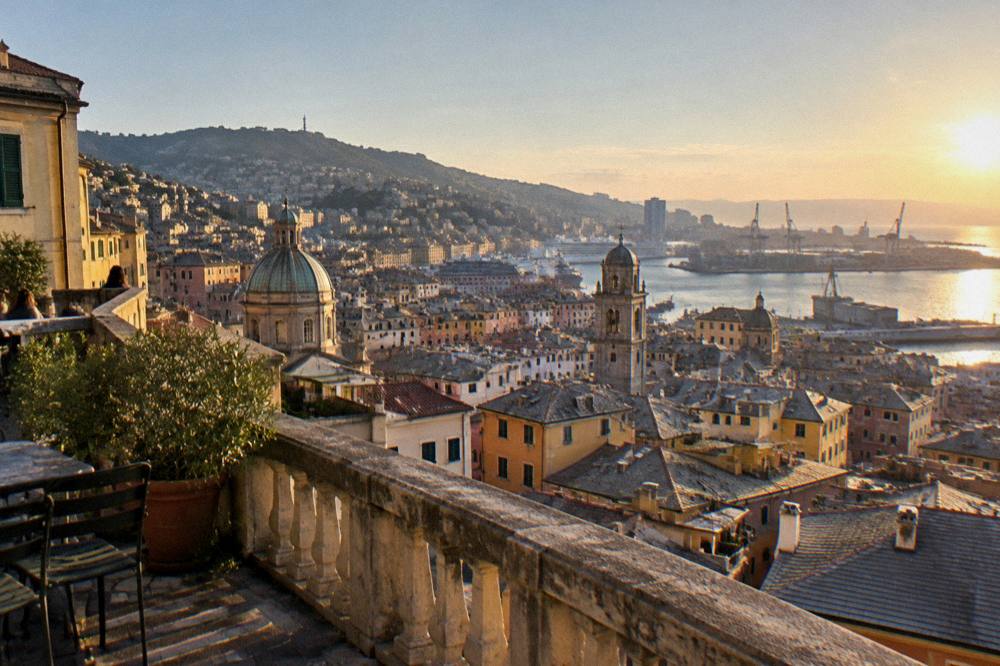
The Palazzi dei Rolli sit on the ridge immediately north of Genoa's old town, so they slot naturally into a day that runs from the Porto Antico and the Cathedral of San Lorenzo up through the caruggi to Via Garibaldi, with the Spianata Castelletto viewpoint and the Zecca-Righi funicular as the uphill extension. The museums open 10:00 to 18:30 daily in winter, which sets the rhythm of the day.
A workable sequence is the reverse of the historical one. The old town and the Cathedral of San Lorenzo occupy the morning, the Strade Nuova museums take the early afternoon, and the late afternoon goes to the view from the Spianata Castelletto, reached by the public lift from Piazza Portello or by the Zecca-Righi funicular, both running daily 06:40 to 24:00 with a single ride at 1.20 EUR. The Spianata Castelletto viewpoint guide and the Zecca-Righi funicular guide cover the mechanics.
| Stop | What it is | 2026 entry |
|---|---|---|
| Via Garibaldi (Strada Nuova) | The original Strada Nuova street of the UNESCO system | Free, public street |
| Musei di Strada Nuova | Palazzo Rosso, Palazzo Bianco, Palazzo Doria-Tursi | 14 EUR combined, 9 EUR reduced |
| Palazzo Doria-Tursi, Paganini rooms | "Il Cannone", the 1743 Guarneri violin | Included in museum ticket |
| Palazzo Reale | A state palace in the museum-card network | Museum Card or own ticket |
| Palazzo Ducale | The former doge's palace, now exhibition venue | Exhibition tickets vary by show |
Rain changes the plan rather than cancelling it. The palaces are indoor sightseeing by nature, the RED-alert closure excepted, and the Genoa in the rain itinerary pairs the museums with the Aquarium and the Galata Museo del Mare for rainy days.
Who Lived In The Palazzi Dei Rolli?
The Palazzi dei Rolli housed Genoa's aristocratic banking families, the same oligarchy that ran the Republic of Genoa until 1797, and the rolls graded their residences for state hospitality between 1576 and 1664. The families' standing was expressed in the palaces themselves, which is why the lists and the buildings are one heritage system rather than two separate things.
The republic was run by its patriciate, and the rolls were in effect a published hierarchy of that class. A palace's category on the roll determined which rank of guest its family could host, so architecture translated directly into protocol. The families named on the rolls included the branches whose palaces are now the Musei di Strada Nuova, the Doria among them, and the network of alliances behind the facades is what the guided tours of the system spend their time decoding.
The violin in Palazzo Doria-Tursi adds a second story to the same rooms. Paganini's "Il Cannone", built by Bartolomeo Giuseppe Guarneri in Cremona in 1743, is held there under the city's museum arrangements, and the instrument is one of the small number of objects that draws visitors into a building they came to for the architecture.
What Is The Best Way To See The Palazzi Dei Rolli?
The best way to see the Palazzi dei Rolli is a mix: walk Via Garibaldi freely to read the facades, buy the 14 EUR combined ticket for Palazzo Rosso, Palazzo Bianco and Palazzo Doria-Tursi with the Museo di Sant'Agostino, and take a guided tour of four UNESCO-listed palaces if you want the system explained, with Rolli Days as the option that opens the private buildings.
Each layer gives something the others do not. The street walk is free and always available. The museum ticket opens the three great palaces and their collections, including "Il Cannone". A guided tour adds the decoding: which palace was on which roll, what the categories meant, what the courtyards and staircases were for. And Rolli Days, twice a year, opens buildings that no ticket otherwise reaches.
For a visit built around food as well as facades, the Strade Nuove quarter sits within walking distance of the old town's eating streets, and the pairing works well enough that this site's food coverage lives alongside the sightseeing: the pesto genovese, focaccia and farinata pages trace what the city actually eats. The tour selection below reflects the same pairing, with a food tour and a cooking class standing beside the Rolli walk, and more options in the site's wider tour roster reviewed on the Genoa Travel Guide home page.
Common Questions About The Palazzi Dei Rolli
What are the Palazzi dei Rolli?
A system of aristocratic palaces in Genoa, listed on public rolls in 1576, 1588, 1599, 1614 and 1664 so the Republic of Genoa could assign state visits to private residences by category. UNESCO inscribed 42 of them in 2006.
Where are the Palazzi dei Rolli in Genoa?
Along the Strade Nuove, the streets laid out north of the medieval old town, with Via Garibaldi, the original Strada Nuova, as the spine. The three museum palaces, Palazzo Rosso, Palazzo Bianco and Palazzo Doria-Tursi, all face onto Via Garibaldi.
Are the Palazzi dei Rolli UNESCO listed?
Yes. The World Heritage property "Genoa: Le Strade Nuove and the system of the Palazzi dei Rolli" was inscribed in 2006 and contains the 42 palaces that were on the Rolli lists.
Can you go inside the Palazzi dei Rolli?
Yes, in three ways. The Musei di Strada Nuova open daily under the winter timetable, 10:00 to 18:30 from 28 September 2026 to 18 April 2027, with Mondays limited to Palazzo Rosso. Rolli Days open further palaces with free entry and booking. Guided tours of four UNESCO-listed palaces run year-round through the operator's live listing.
How much do the Strada Nuova museums cost?
The combined ticket for the three palaces plus the Museo di Sant'Agostino is 14 EUR full price and 9 EUR reduced. The Genoa Museum Card, at 24 EUR for 24 hours and 45 EUR for 48 hours in 2026, covers the museums among 28 city museums.
When is the next Rolli Days?
The autumn 2026 edition ran 16 to 18 October 2026. Dates for 2027 had not been announced, so check the city's tourism channels before planning around a specific weekend.
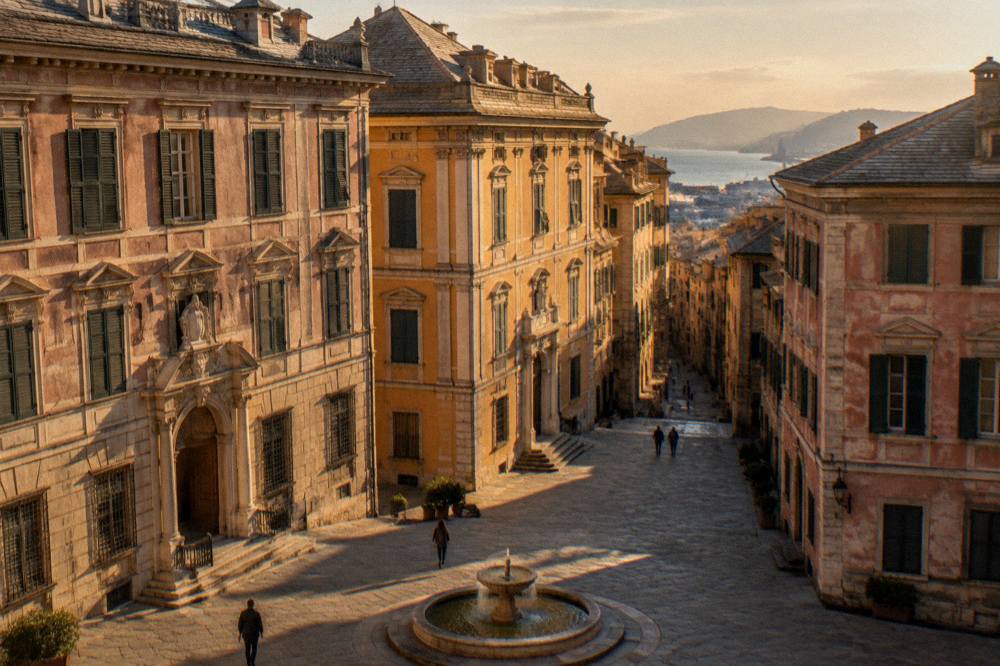
The Palazzi dei Rolli reward exactly the kind of visit Genoa rewards overall: unhurried, on foot, and willing to go inside. Walk the street first, buy the combined ticket for the three palaces, time a trip to Rolli Days if the calendar allows, and the old hospitality system of the rolls does the rest.